
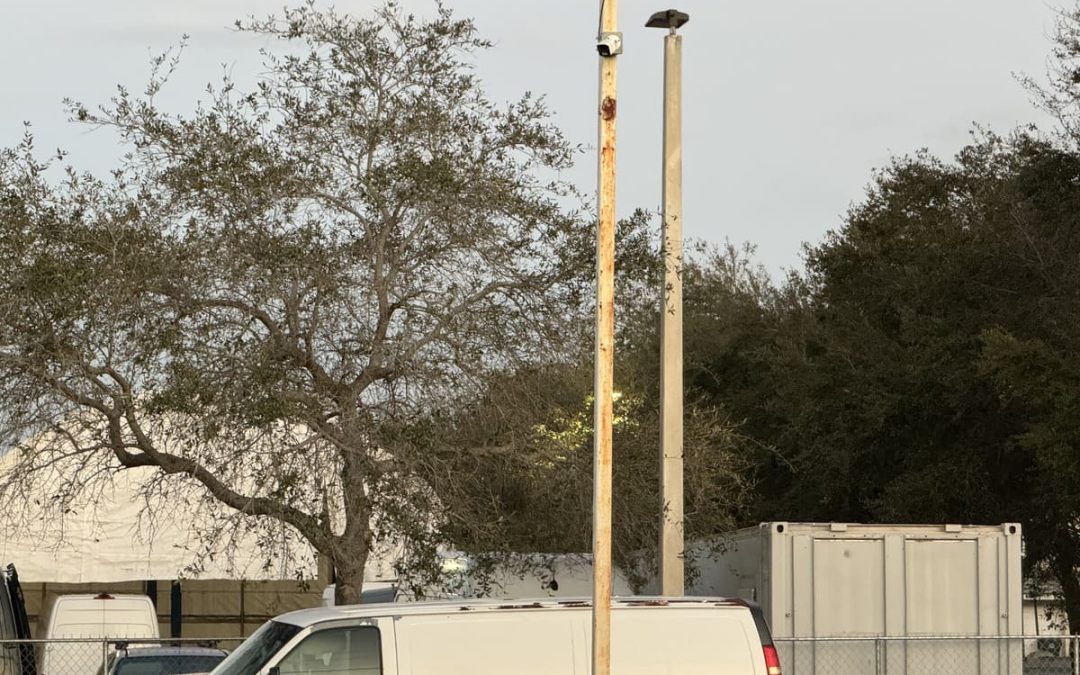
In South Florida, the weather is the ultimate stress test for any electronic device. While hurricanes get the headlines, the daily grind of extreme heat and humidity is often what quietly destroys surveillance equipment. If you are in the market for good home security cameras fortlauderdale, you cannot simply pick a product off the shelf at a big-box store and expect it to last.
At AGI Security, we have seen countless DIY systems fail not because of burglars, but because the internal components melted or the lenses fogged up permanently. Understanding how our local climate impacts technology is the first step in protecting your property.
Why Standard security cameras for outside Fail in Summer
Most generic cameras are rated for moderate climates. They work perfectly fine in a mild spring, but when the temperature hits 95 degrees with 90% humidity, they begin to suffer. Security cameras for outside use in Fort Lauderdale need to have high thermal tolerance. When a camera overheats, it often goes into “thermal shutdown” to protect its circuitry, meaning your security system turns itself off exactly when you need it.
We install equipment specifically rated for high-temperature environments. We look for casings that act as heat sinks, pulling thermal energy away from the processor. Additionally, we ensure that the security cameras for outside your home are sealed against moisture ingress, which prevents the hot, humid air from condensing inside the lens and ruining your image quality.
The Durability of a Professional cctv camera
There is a significant difference between a consumer-grade gadget and a professional cctv camera. Professional units are built with industrial-grade materials meant to operate 24/7 in harsh conditions. In contrast, many cheaper plastic units become brittle and crack after prolonged exposure to UV radiation, exposing the delicate wiring inside to the elements.
A professional cctv camera installed by AGI Security typically features a metal alloy housing that resists corrosion and reflects UV rays. These systems are hardwired, which is a major advantage in the heat. Wireless transmitters generate their own heat; when you combine that with the Florida sun, internal temperatures can skyrocket. By using a wired connection, we reduce the thermal load on the camera itself, ensuring it keeps recording crisp footage even during the hottest part of the day.
Protecting Your outdoor camera from UV Damage and Glare
Heat isn’t the only enemy; the sun’s position and intensity play a massive role in surveillance failure. A poorly placed outdoor camera facing direct sunlight can suffer from sensor burnout over time. The intense UV rays can also bleach the color filters, leading to washed-out footage where a red car might look pink or white.
We strategically plan every installation to account for the sun’s path. However, when direct exposure is unavoidable, we use an outdoor camera equipped with robust UV-resistant coatings and Wide Dynamic Range (WDR). This technology allows the camera to look into bright light without being blinded, ensuring you can still see faces and license plates clearly, rather than just silhouettes against a bright background.
The Problem with a ring camera outdoor Unit in Direct Sunlight
Battery-powered doorbell cameras are incredibly popular, but they have a distinct weakness in our climate. A ring camera outdoor unit (or similar battery-operated device) relies on lithium-ion batteries. These batteries have strict operating temperature limits. If the device sits in direct afternoon sun, the battery can overheat, causing the device to stop charging or shut down completely to prevent a fire hazard.
For this reason, we often recommend hardwired solutions over a standalone ring camera outdoor setup for critical security areas. While they are convenient for casual monitoring, they are not always reliable as a primary security layer in a tropical climate. If you do use them, they often require shaded placement or constant battery swaps, which can become a hassle for homeowners who want a “set it and forget it” solution.
designing a Climate-Resilient house camera system
Creating a durable security setup is about more than just the cameras; it is about the entire ecosystem. A robust house camera system keeps the sensitive recording equipment—the Network Video Recorder (NVR)—safely inside your air-conditioned home while the ruggedized cameras handle the exterior elements. This separation ensures that your footage is stored in a cool, dry place, protecting your data even if a camera outside takes a direct hit from a storm.
When AGI Security installs a house camera system, we also pay close attention to the cabling. We use outdoor-rated cables that withstand UV degradation. Standard indoor cables will rot and crumble if exposed to the Florida sun, leading to signal loss. By using the right materials from end to end, we ensure your system remains operational for years, regardless of how high the mercury rises.
Get a System Built for Florida Weather
Don’t let the heat compromise your safety. If you are ready to install a system designed to withstand the Fort Lauderdale sun, our local team is ready to assist.
Call us directly at 954-338-7898 or fill out our contact form to schedule your site assessment